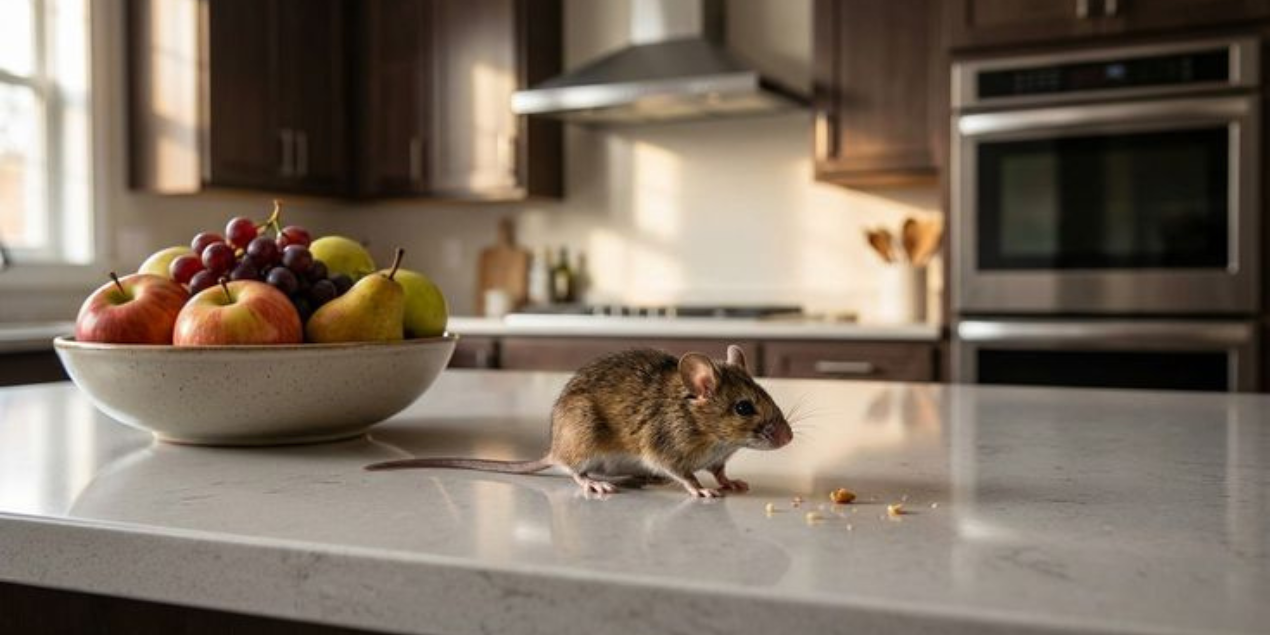
Rats can enter homes while searching for food, water, and shelter, making kitchens, storage areas, and waste zones common places for activity. Maintaining cleanliness and reducing easy access to these resources can help make your home less attractive to rodents.
Open food packets, overflowing waste bins, cluttered storage spaces, and gaps around doors or pipes can provide rats with opportunities to enter and remain indoors. Regular inspection and preventive maintenance are therefore important parts of effective rodent prevention.
Better rat prevention starts by removing what attracts them. Secure food, manage waste, reduce clutter, and block potential entry points before they become a bigger problem.
Rats may enter through openings around doors, utility lines, drains, roofs, and damaged areas of a building. Identifying possible access points and addressing them early can help reduce the likelihood of rodent activity inside the home.
Create a Cleaner and Less Inviting Space for Rats
Consistent household maintenance can help reduce common food sources, hiding places, and entry opportunities that may attract rats to kitchens and other living spaces.
- Store food securely:Keep grains, snacks, pet food, and other food items in sturdy, properly closed containers.
- Manage waste regularly:Use covered waste bins, dispose of food waste frequently, and keep the surrounding area clean.
- Reduce clutter:Organize storerooms, kitchen cabinets, cartons, and other spaces that could provide hidden shelter.
- Seal possible entry points:Inspect gaps around doors, walls, pipes, vents, and utility openings and use suitable rodent-resistant materials to close accessible gaps.
- Droppings, gnaw marks, damaged food packaging, unusual noises, or nesting material may indicate rodent activity and should be addressed promptly.
Keeping rats away requires regular prevention and good household maintenance. Clean surroundings, secure food storage, proper waste management, reduced clutter, and effective exclusion of entry points can help create a cleaner and less accessible environment for rodents. For an established or recurring infestation, consider contacting a qualified pest-management professional.